Imagine planting once, then coming back season after season to harvest fresh food without starting from scratch each spring. That is the quiet magic of perennial vegetables: practical, generous, and frankly a bit smug in the best possible way.
What is a perennial vegetable?
A perennial vegetable is a food plant that lives for more than two years and grows back naturally. Unlike annual vegetables, which need sowing or planting again each year, these sturdy garden residents settle in and return.
They are often hardy, disease resistant, and surprisingly low maintenance. Sorrel, chives, perennial leeks, asparagus, and rhubarb are all good examples. Once established, they become the kind of garden plants you quietly thank every time dinner needs saving.
The benefits of perennial vegetables
The biggest advantage is simple: less work. You plant them once, care for them properly, and they keep producing. No endless seed packets, no yearly scramble to rebuild the entire vegetable patch.
They can also save money over time, as you are not constantly buying new plants or seeds. Some, like chives and sorrel, can be harvested through much of the year, giving you a handy supply of fresh flavor when the fridge looks uninspiring.
There is also a strong environmental bonus. A permanent planting helps support biodiversity, attracting pollinators and useful insects. Their established roots also help protect soil structure and fertility, which is essential for any healthy garden.
Perennial vegetables and herbs worth trying
Sorrel is a brilliant starter plant. Its sharp, lemony leaves work beautifully in soups, sauces, and salads, and it can even cope with partial shade.
Perennial leek is another clever choice. It is cold tolerant and produces regular harvests without needing to be replanted every year.
Chives are easy, useful, and cheerful in bloom. Their purple flowers attract pollinators, while the leaves add a mild onion flavor to eggs, potatoes, and salads.
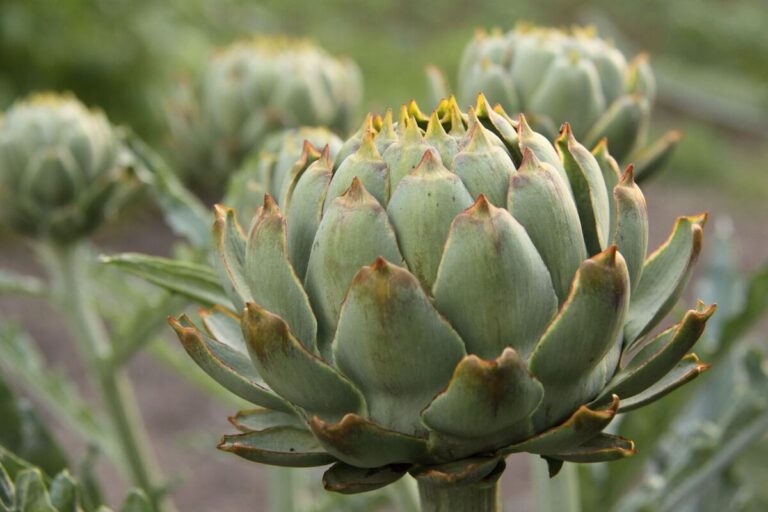
Artichokes need sun and well drained soil, but they reward patience with edible flower buds and striking foliage. Asparagus requires even more patience, since the first proper harvest usually comes after two or three years. Still, once it gets going, it feels like a garden investment that pays dividends.
Other options include wild garlic, walking onion, cardoon, edible chufa, perennial arugula, Good King Henry, and rhubarb. A neighbor once gave me a rhubarb crown, casually saying, ‘It more or less looks after itself.’ She was not wrong. It came back every year like it owned the place.
How to grow perennial vegetables
Start by choosing the right spot. Most edible perennials prefer fertile, well drained soil and a sunny or lightly shaded position. Give them enough room, because these plants are not temporary guests. They are moving in.
Before planting, improve the soil with compost or well rotted manure. Good soil gives roots the best start and helps plants stay productive over the long term.
Planting is usually best in spring or fall, when temperatures are milder and moisture helps young roots establish. After that, keep care simple but consistent.
Water during dry spells, mulch around the plants to hold moisture and reduce weeds, and add organic fertilizer when needed. Some plants, such as chives and sorrel, benefit from being divided every two or three years to keep them vigorous.
Harvest with care
The golden rule is moderation. Do not strip a plant bare just because it looks generous. Take what you need and leave enough growth behind so it can recover.
That is the charm of sustainable gardening: the garden gives, but only if you give it a chance to keep going.
Perennial vegetables are not just a clever shortcut. They are a calmer, more resilient way to grow food. With a little planning, your vegetable patch can become less of a yearly chore and more of a long term partnership, with fresh homegrown food waiting for you season after season.