September 27, 1986. Metallica bassist Cliff Burton dies in a tragic accident when the tour bus leaves the road.
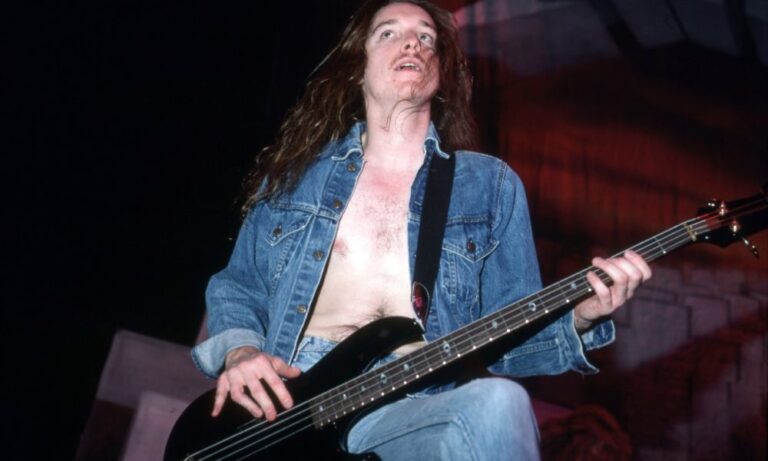
In September, Metallica fans will celebrate the sad thirtieth anniversary of the death of the second bassist. Cliff Burton died at the age of 24 in a tragic accident. On September 27, 1986, the group was on a European tour to promote the album “Master Of Puppets”. Their bus unfortunately overturned on a small road in Sweden causing the death of Cliff Burton. Ironically, the members of the group had drawn lots for their seats on the bus.
Cliff Burton joined the group in 1982, replacing Ron McGovney. He was spotted by Metallica during one of his concerts with his band at the time, Trauma. He had an unusual way of playing for a heavy metal player, ranging from lightning-fast rock songs to very elaborate melodies to semblance of guitar solos. Cliff Burton co-wrote many Metallica songs, such as “Master of Puppets”, “Orion”, “For Whom The Bell Tolls”, and “Fade to Black”.
In 2011, WECB US conducted a survey of its readers to find out who the ten greatest bass players of all time are. Cliff Burton ranks ninth.
Following the death of the bassist, the group hesitated before going back on stage. The song “To Live is to Die”, published on the album “…And Justice for All”, is dedicated to him.