Family trips through England are supposed to be charming affairs filled with countryside views, packed lunches and the hopeful promise that everyone will stay in a good mood. For Amanda Mancino Williams, a 37 year old mother travelling with her three children, the day began with that exact optimism. She had done everything right: booked seats, planned ahead and imagined a peaceful ride. What she got instead was a lesson in public transport etiquette that the internet would soon dissect with delight.
A reservation meets a refusal
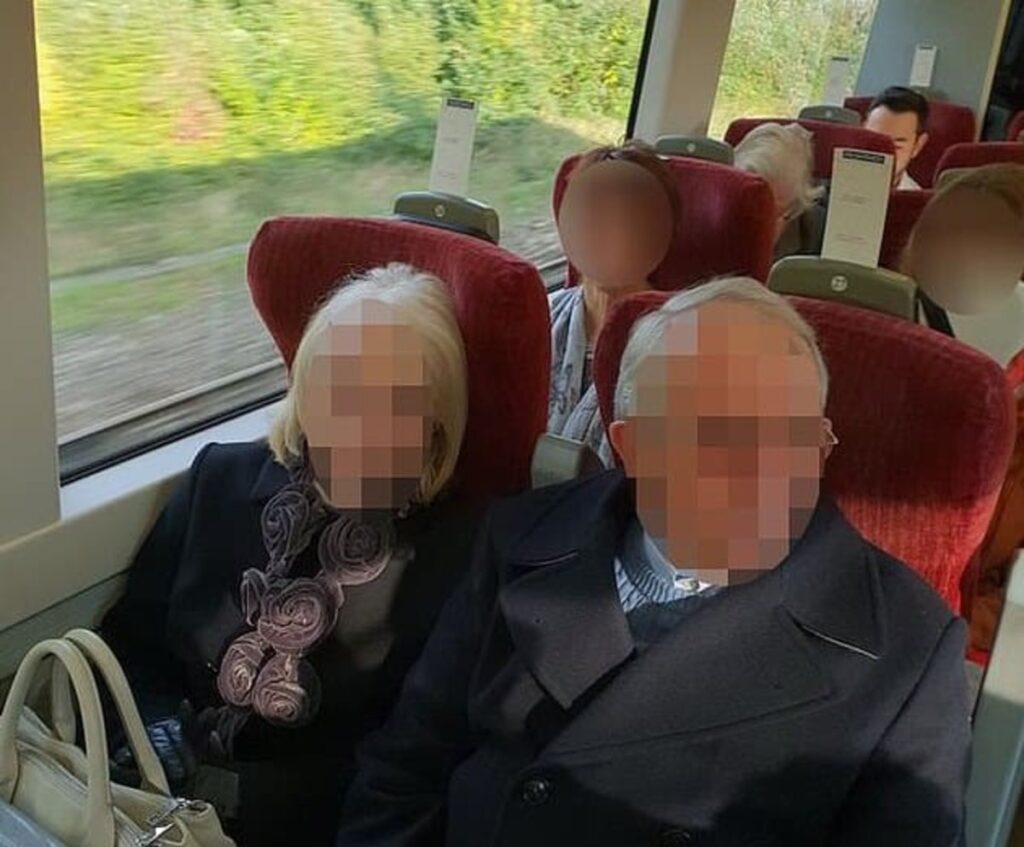
Amanda boarded the train expecting to slip straight into the places she had reserved. Instead, she found an elderly couple comfortably installed in two of them, coats off, bags stowed, utterly unbothered. Assuming an innocent mix up, she politely explained that the seats were booked for her children. Rather than apologise and move, the pair waved off her reservation as though it were optional, insisting they had no intention of getting up.
It was, as Amanda later described, the tone — not the inconvenience — that truly grated. Having navigated British trains with children myself, I sympathise: a reserved seat can feel like your last grip on sanity.
When the scene goes digital
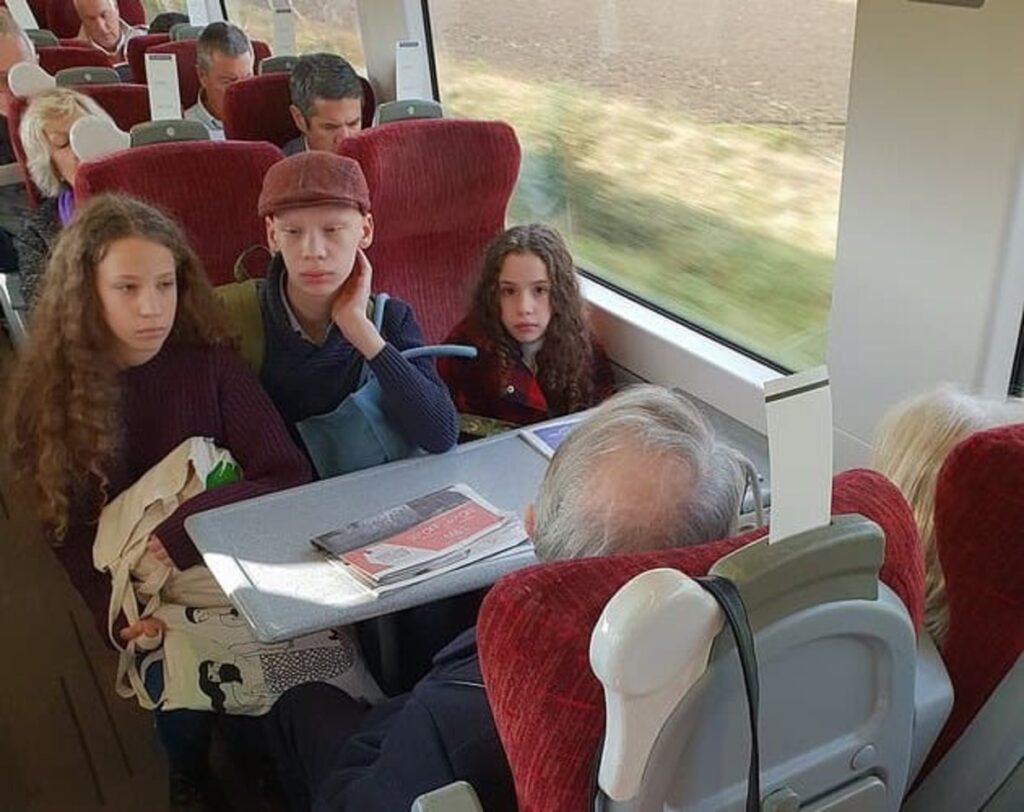
Faced with stubbornness and a need to settle her children somewhere, Amanda did what many parents in 2025 would do: she documented it. She photographed the couple, placed her kids in nearby seats and carried on. Moments later, fortune intervened. The train manager, clearly unimpressed by the situation, ushered Amanda and her children into first class. A small win, but a satisfying one.
Once home, she shared the story on Twitter. What followed was a storm of comments, reactions and debates. Thousands chimed in, some sharing their own tales of reservation rebellion, others criticising the couple’s behaviour. The post spread quickly — proof, perhaps, that nothing unites travellers quite like frustration over seats.
A wider debate on courtesy
Amanda noted that if the couple had offered any reasonable explanation — mobility issues, anxiety, anything — she would have willingly given up the seats. Instead, what she encountered was entitlement wrapped in politeness, a peculiarly British flavour of rudeness.
Her experience echoed a broader question: should train companies enforce reserved seating more strictly? After all, passengers pay extra for these guarantees. According to several transport user groups, misunderstandings over reservations are among the most frequent sources of conflict on UK rail services.
Kindness on the move
This small story, featuring nothing more dramatic than a pair of misplaced passengers, touched a nerve because it reflects something universal. Public spaces only function smoothly when people choose to be considerate. A reserved seat is not just a number — it is a promise to the traveller who booked it.
As Amanda’s account spread, it became a gentle reminder to all of us: whether on trains, buses or anywhere shared, a little respect goes a long way. Travelling already tests our patience; there’s no need to make it harder for one another.