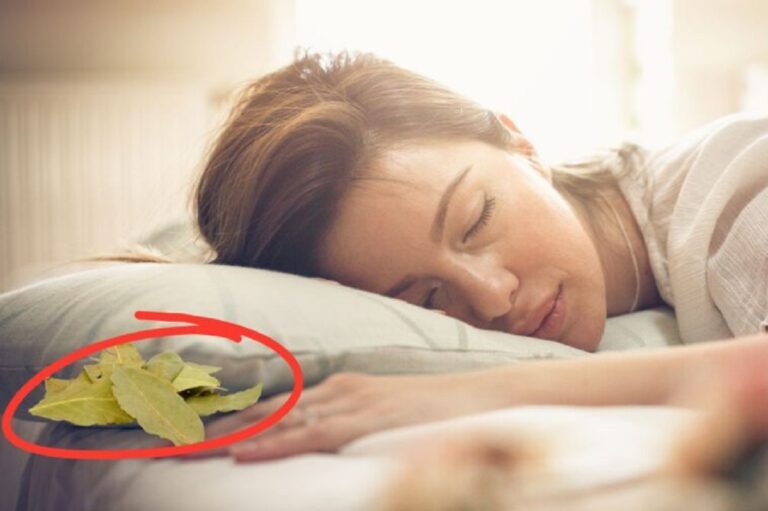
Picture this: you’ve finally slipped into bed, the lights are low, and instead of tossing and turning for hours, you drift into the kind of deep sleep you only hear about in lullabies. The secret ingredient? A humble bay leaf tucked under your pillow.
It sounds like an old wives’ tale, but this aromatic leaf—better known for flavouring soups and stews—has quietly made its way from the spice rack to the bedroom. People across the world are claiming it helps them relax, unwind, and even doze off more easily. Could there be more to this fragrant little leaf than meets the nose?
A natural sleep aid with ancient roots
Long before we sprinkled bay leaves into sauces, ancient Greeks and Romans believed the plant had healing and purifying powers. It was even used in rituals to calm the mind and banish bad energy. Today, many still swear by its soothing aroma and gentle sedative properties, crediting it for lowering stress levels before bed.
According to herbal medicine experts from the National Institute of Medical Herbalists, bay leaves contain natural compounds such as linalool and cineol—both known for their calming effects on the nervous system. These same properties may help reduce blood pressure and heart rate, two key ingredients for drifting off naturally.
So while it might sound mystical, there’s a touch of science behind the tradition.
How to try it yourself
If curiosity has you reaching for your spice jar, here’s how to give this bedtime ritual a go. Start with a couple of dried bay leaves—the kind you’d find in any supermarket. Slip one or two beneath your pillow (or between your pillowcase and pillow for a tidier option). As you lie down, you might notice the faint, comforting scent filling the air.
For an extra dose of relaxation, some people also brew a bay leaf tea before bed. Simply steep two or three leaves in hot water for ten minutes, strain, and sip slowly. The warmth and fragrance alone can be enough to calm your body and prepare your mind for rest.
A word of caution
Not all laurels are created equal. The variety you’re looking for is bay laurel (Laurus nobilis)—the same kind used in cooking. Whatever you do, don’t confuse it with oleander, sometimes called the “rose laurel”. While it’s lovely in gardens, it’s also highly toxic and should never go near your pillow or your plate.
If in doubt, check the label or ask your local herbalist. When handled correctly, bay leaves are perfectly safe and have been used for centuries in both food and folk remedies.
More than just a kitchen hero
The bay leaf’s talents don’t end at bedtime. Beyond its culinary fame, it’s known for repelling moths, freshening up wardrobes, and even keeping unwanted kitchen odours at bay. In some cultures, a bay leaf slipped into a wallet is said to attract prosperity and good luck—though whether that one works depends on your level of optimism.
The final verdict
Whether it’s folklore, aromatherapy or simply the comforting thought of nature lending a hand, slipping a bay leaf under your pillow is a harmless little ritual worth trying. After all, a good night’s sleep is priceless, and if something as simple as a leaf can help you find it, why not?
So tonight, as you climb into bed, skip the sleeping pills and try this ancient trick instead. You might just wake up wondering why you didn’t try it sooner—and your kitchen spice jar will never look the same again.