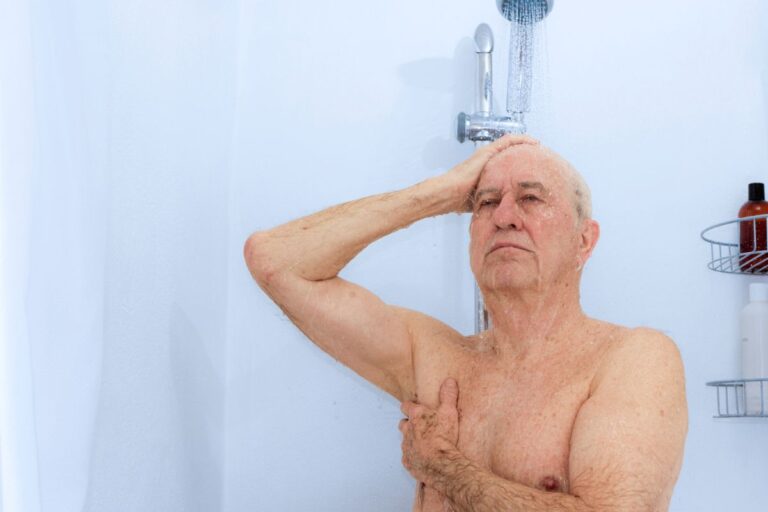
Many of us grew up believing that a daily shower was the gold standard of cleanliness. It feels refreshing, it wakes us up, and it offers a small oasis of calm in an otherwise busy day. But as we age, our skin changes more than we often realise – and that beloved daily rinse may no longer be doing us any favours. Dermatologists now suggest a gentler approach, especially after the age of 65.
Daily showers: a habit worth rethinking
In countries like the UK and France, a daily shower has become almost automatic, a quick routine that signals the start or end of the day. Yet hot water and frequent washing can be surprisingly harsh on the skin. According to experts at Santé Magazine, too much exposure to heat and cleansing products strips the skin of its natural oils, leading to dryness, itching and irritation.
This effect intensifies with age. Dermatologist Marie Estelle Roux explains that as we grow older, the epidermis tends to thicken, giving the skin a rougher texture, while the underlying dermis – which provides firmness and elasticity – becomes thinner. The result is less hydration, reduced flexibility and a weakened skin barrier. Add daily showers into the mix, and dryness can quickly escalate into a frustrating cycle of tightness and discomfort.
How often should you shower after 65?
Cutting back on showers does not mean neglecting hygiene. The idea is to adapt the routine to better suit older skin. Dermatologist Sylvie Meaume recommends a balanced approach: rinsing the body daily, but using soap only every second or third day. In practice, this comes down to around two proper showers a week, focusing on essential areas.
Dermatologist Marie Jourdan highlights that hygiene is most effective when targeted. The areas that need regular attention are those prone to sweat and bacterial build up, such as the underarms, the groin, between the toes and other skin folds. By prioritising these zones, you preserve cleanliness while avoiding the unnecessary drying effect of full body scrubbing.
A new way to shower: gentle, quick and skin friendly
Alongside frequency, technique matters too. Water temperature is a key factor. Hot showers may feel soothing, but they accelerate moisture loss. Researchers at Harvard Medical School suggest limiting showers to three or four minutes – far shorter than most people are used to. It may feel abrupt, but the skin benefits are significant.
Choosing the right products also makes a real difference. Dermatologists favour cleansing oils, pH neutral gels and soaps enriched with nourishing ingredients rather than standard formulas that foam aggressively and dry the skin. After showering, the drying technique is equally important: gently pat the skin rather than rubbing it with a towel, which can irritate already fragile areas.
And then comes perhaps the most essential step – moisturising. According to the NHS, mature skin loses its ability to retain moisture, making daily hydration crucial. A nourishing body lotion or lipid restoring cream helps maintain suppleness, reduces itching and even prevents more serious concerns such as eczema or pressure sores. A few minutes each day can transform comfort levels.
Getting older means listening to your skin
Showering less often may feel unusual at first, especially for those who have followed the same routine for decades. But ageing skin has different needs, and respecting them is part of ageing well. A gentler approach doesn’t sacrifice hygiene – it simply protects the skin’s natural barrier, which becomes increasingly precious with time.
If anything, adjusting your routine is a form of self care. It’s a small, daily way of saying: my skin has changed, and I’m paying attention. And that, ultimately, is the best foundation for healthy, comfortable ageing.