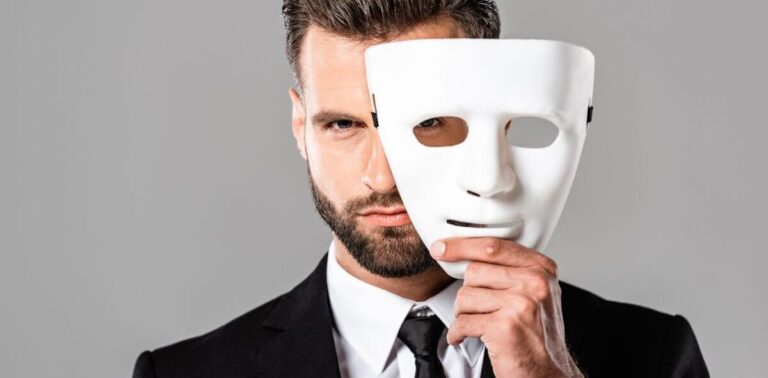
Spotting a lie is not as simple as catching someone looking away or fidgeting with their sleeves. People can be nervous for many reasons, including stress, shyness, or simply having had too much coffee. Still, certain patterns can raise a red flag when someone’s words, tone, and behavior do not quite line up. If you pay attention calmly, without turning every conversation into a courtroom drama, you may become better at noticing when something feels off.
1. Their voice does not match their words
One of the first signs to notice is a mismatch between what someone says and how they say it.
A person might insist, ‘I’m completely fine,’ while their voice sounds tense, sharp, or unusually flat. That contrast can be revealing. The American Psychological Association has noted that emotions often show through nonverbal behavior, including tone of voice and facial expression.
Of course, a shaky voice does not automatically mean someone is lying. It can simply mean they are uncomfortable. The useful clue is the gap between the message and the delivery.
2. Their story keeps changing
Contradictions are often more telling than dramatic body language.
Someone who is lying may forget details, shift the timeline, or add new explanations that do not fit what they said earlier. One minute they left at 6. The next, it was closer to 7. Then suddenly someone else was there too.
We have all seen this in everyday life: a coworker explaining why a deadline was missed, or a friend describing plans that somehow keep changing shape. A small inconsistency is human. A pattern of contradictions deserves attention.
3. They avoid answering simple questions
A direct question should usually receive a direct answer. When someone dodges, changes the subject, or gives a long explanation that says very little, it may be a sign they are trying to stay in control of the conversation.
For example, if you ask, ‘Did you send the email?’ and they reply with a speech about how busy their week has been, your inner alarm bell may reasonably start ringing.
This kind of evasive behavior does not prove dishonesty, but it often suggests there is something the person would rather not discuss.
4. Their eye contact feels unusual
The old idea that liars always look away is too simple. Some people avoid eye contact when they are anxious, while others overdo it because they know people expect liars to glance away.
The better clue is whether their eye contact changes from their normal behavior. Are they blinking more than usual? Staring too intensely? Looking away at key moments? Rubbing their eyes or frowning while answering?
The FBI has often emphasized that there is no single universal sign of deception. Investigators look for clusters of behavior, not one magic gesture.
5. They show nervous habits
Nervous movements can sometimes appear when someone is under pressure. They may scratch their neck, bite their lip, tap their foot, touch their face, or shift repeatedly in their seat.
Still, nerves are not the same as lying. I once watched someone fidget through an entire meeting simply because the room was too hot. Not exactly a criminal mastermind.
What matters is timing. If the nervous habit appears right after a specific question, or increases when the conversation becomes more detailed, it may be worth noticing.
6. Their body language closes off
A person who feels exposed may unconsciously create distance. They might cross their arms, turn their body away, lean back, or keep their movements stiff and limited.
This type of body language can suggest discomfort. Combined with a changing story or vague answers, it becomes more meaningful.
The key is to compare behavior to context. A closed posture during a difficult conversation may simply mean someone feels defensive. But if the body seems to retreat while the words insist everything is fine, the mismatch may matter.
7. Their answers stay vague
Liars often prefer fog over detail. They may say things like, ‘I guess so,’ ‘Not really,’ or ‘It depends,’ when a clear answer would make more sense.
Vague answers protect them from being pinned down. If details are missing, there is less to challenge later.
A useful approach is to ask calm follow up questions. Not aggressively, not like a police drama, but with genuine clarity: ‘What happened next?’ or ‘Who was there?’ Honest people may still forget things, but they usually try to help you understand.
Recognizing signs of lying is not about becoming suspicious of everyone. It is about paying attention to patterns: mismatched tone, contradictions, avoidance, unusual eye behavior, nervous habits, closed posture, and vague answers.
No single clue is proof. But when several appear together, your instinct may be telling you something useful. Trust it enough to slow down, ask better questions, and look for the full picture.