Electric bikes have become a familiar sight in many cities, quietly gliding past traffic and making hills feel a little less intimidating. Yet behind this convenient mobility lies a problem few riders think about: the environmental impact of batteries. Now a French manufacturer believes it has found a clever way around that issue. Their latest electric bike works without a traditional battery or any need for plugging in – and the idea is turning heads across the cycling world.
A new kind of electric bike powered by your effort
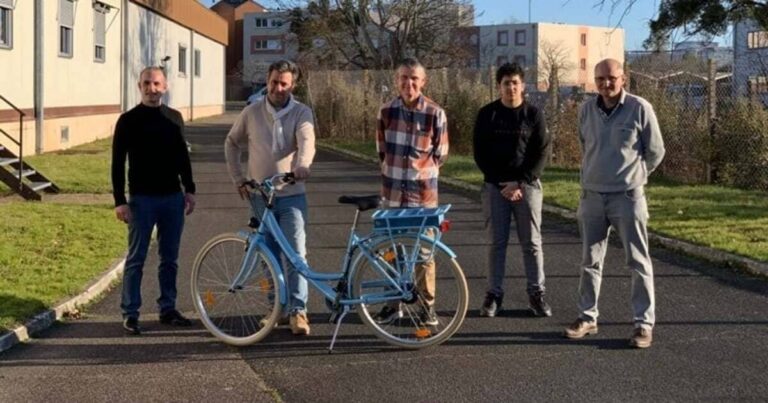
The bike was developed in Orléans in central France after several years of research and testing. At first glance it looks like a fairly typical electric bike, offering pedal assistance designed to make cycling smoother and less tiring. The surprise lies inside the frame.
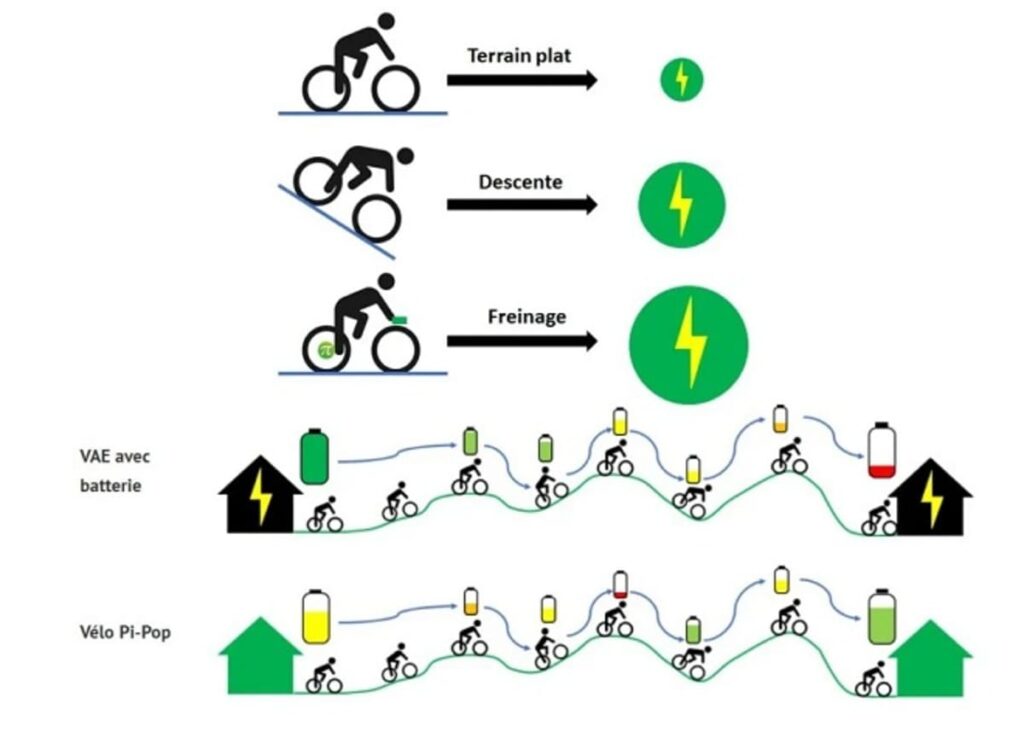
Instead of relying on a battery, the bike uses a supercapacitor. In simple terms, this device stores energy generated while you pedal. The moment you start cycling, your effort creates electricity which is captured and stored in the system. That energy can then be released when you need an extra push, for example when climbing a steep hill or accelerating after stopping at traffic lights.
The company behind the design jokingly describes it as ‘the first electric assistance bike in the world that only needs you’. It is a playful line, but it captures the idea well. The rider becomes the main energy source.
Cyclists who have tested similar systems often say the experience feels surprisingly natural. One commuter described it as ‘like having a gentle hand on your back when the road turns uphill’. It does not replace pedalling, but it certainly makes daily rides easier.
A more sustainable approach to electric mobility
One of the biggest motivations behind the project is environmental. Traditional electric bike batteries typically contain materials such as lithium and other rare metals. Extracting these resources can have significant environmental consequences, and recycling the batteries remains complicated.
The supercapacitor used in this bike is built from materials that are easier to recycle, including carbon, aluminium, cellulose and certain polymers. That difference could make the entire life cycle of the bike far less damaging to the environment.
Environmental groups such as the European Environment Agency have repeatedly highlighted the importance of designing products with recyclability in mind. In that context, innovations that reduce reliance on scarce materials are increasingly valued.
There is another advantage too. Unlike conventional batteries that slowly degrade over time, supercapacitors tend to have a longer operational life. Engineers involved in the project estimate the system could last between ten and fifteen years. A typical electric bike battery often needs replacing after three to five years, depending on use.
For anyone who has faced the expense of replacing a battery pack, that difference is not trivial.
Fast energy storage without plugging in
Another interesting feature is the speed at which the system stores energy. Supercapacitors can charge extremely quickly compared with batteries. Because the energy comes directly from pedalling, riders effectively recharge the bike every time they move.
Picture the everyday urban commute. You leave home, pedal through a few quiet streets, perhaps coast downhill for a moment, then face a long climb towards the office. The energy stored during those earlier moments can immediately assist you on that hill.
Researchers working on energy storage technologies often point out that supercapacitors are particularly well suited to short bursts of power. That characteristic makes them ideal for stop start city cycling.
A promising idea with a premium price
Of course, innovative technology rarely comes cheap at first. The bike currently sells for around 2450 euros, placing it firmly in the higher end of the electric bike market.
For comparison, data from the European Cyclists Federation suggests that electric bike prices vary widely depending on technology and components, but models with advanced systems often sit in this range.
Still, early adopters may see the value in a bike that avoids battery charging altogether. Anyone who has ever forgotten to plug in their electric bike overnight knows the disappointment of discovering an empty battery the next morning.
With this design, that worry simply disappears.
Could this change the future of electric bikes?
It is still early days for the technology, but the concept raises an interesting question. If electric bikes can operate without traditional batteries, could this reshape the industry?
Cities across Europe are investing heavily in cycling infrastructure as part of their climate strategies. According to the International Energy Agency, increasing the use of bicycles could significantly reduce urban transport emissions.
If cleaner technologies like supercapacitors become widespread, the environmental benefits of cycling could become even stronger.
For now, the bike from Orléans stands as a fascinating glimpse of what might be possible. It reminds us that sometimes the simplest energy source has been there all along – the rider turning the pedals. 🚲